NOW · Trends / Oct 11, 2026
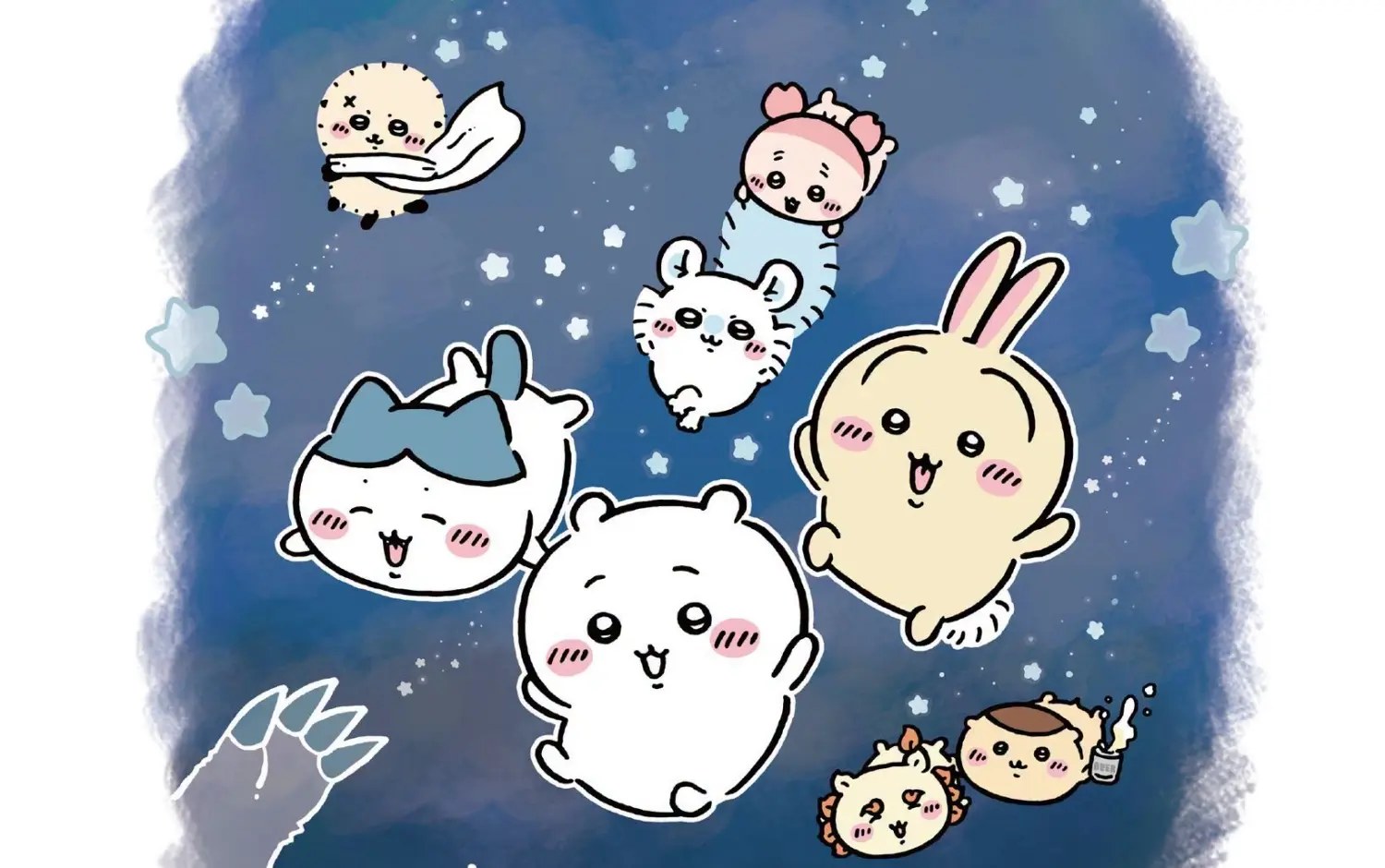
Chiikawa's Halloween Pop-Up Is Open in Taipei With First-Ever Costume Charms
Chiikawa and Hachiware dress as nurses and Usagi as a doctor at Shin Kong Mitsukoshi A9 through Nov. 15.
A decade after it was coined, "tuku" is back on Chinese feeds, and this time the joke is armor.
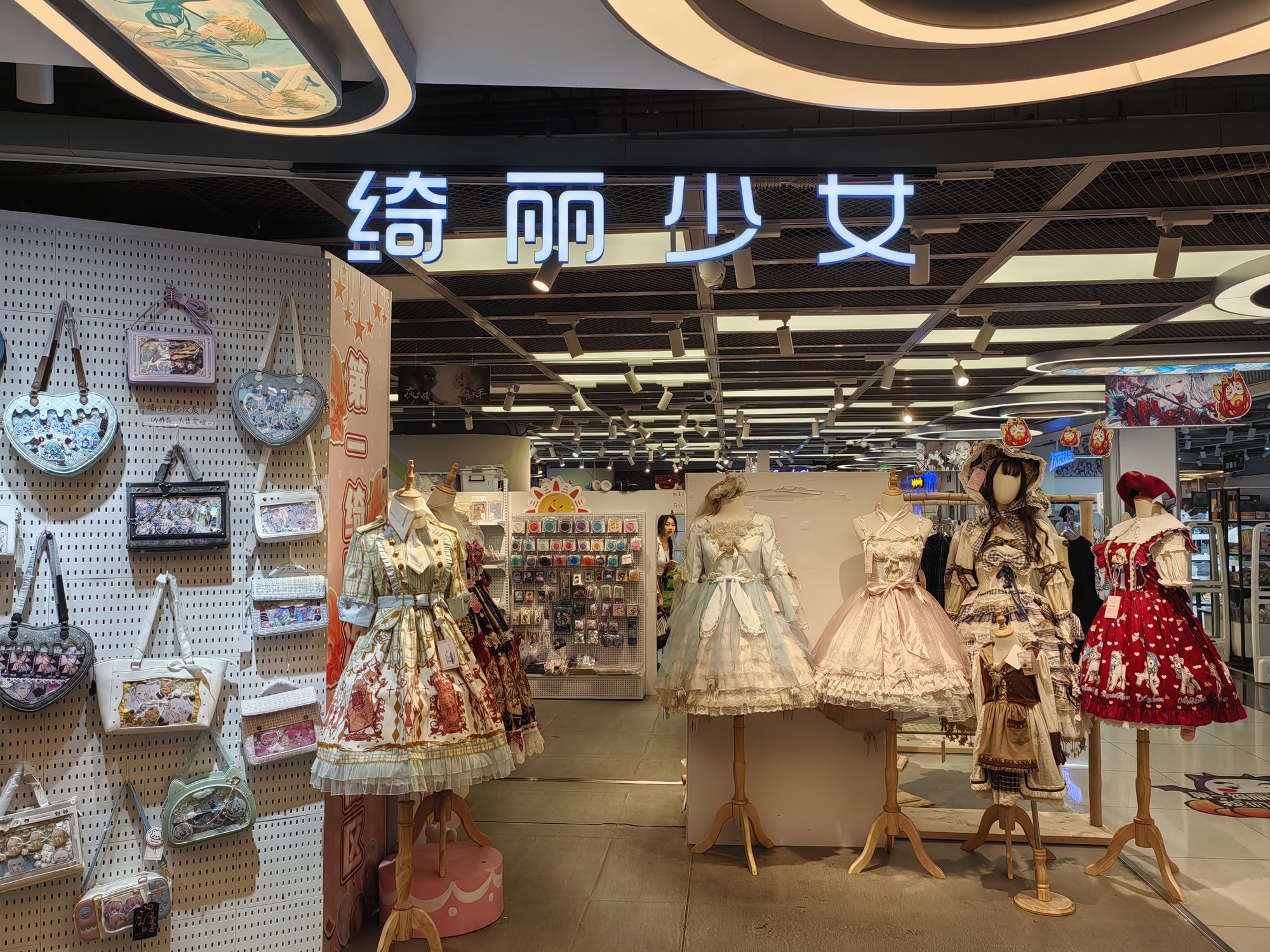
Quiet luxury had a long run. This fall, a growing share of young Chinese social media users are going the other way: qipaos printed with neon foreign landmarks, jelly shoes covered in hot-glued plastic flowers, T-shirts with every Disney character, oversized fonts and plenty of glitter. The look is called tuku (土酷). It sounds like "too cool," and it literally means "tacky cool."
The term isn't new. According to The China Temper, Chinese photographer Li Zhiyuan coined it on Weibo in 2016. In 2020, Li told The Business of Fashion: "I'm genuinely tacky, I'm sincerely tacky." What has changed is the scale. The China Temper reports that #tuku had 142.2 million impressions on Xiaohongshu (RedNote) as of Sept. 26, and related Douyin videos had 34.9 million views.
Part of the appeal is reclaiming an aesthetic people used to be embarrassed by. "The visual styles we grew up with felt quite tacky, like PowerPoint-style fonts and garish, high-contrast color schemes," London College of Fashion student Tiajun Shen told Jing Daily. "But as time went by, we realized this is actually a cultural trait unique to us."
Labels are building on that feeling. Jing Daily points to HuDieGongZhu ("Butterfly Princess"), founded in 2020 by Beijing-born designer Liu Min, which prints God of Wealth New Year imagery onto qipaos and T-shirts. It also names brands such as Nφdress, Yvmin and peace888butterfly. Laura Darmon, buying director at Shanghai concept store ENG, told Jing Daily that these brands move fast because of "their relentless focus on content creation."
The China Temper argues that tuku also works as protection. With a record 12.7 million college graduates entering the job market, it notes, standing out can feel risky. Tuku's self-aware tackiness lets wearers be seen without looking like they're competing. It is visibility that "cannot be 'punished.'"
That is a big change from shamate, the dyed-hair, punk-meets-visual-kei subculture of mid-2000s rural youth and factory workers, which was widely mocked online. Its founder, Luo Fuxing, asked in the 2019 documentary We Were Smart: "We just dyed our hair, wore ripped jeans. Who did we hurt?"
Tuku has a quieter counterpart, too. Tuchunfeng (土纯风, "earthy, pure style") favors pilled plaid shirts, floral cotton dresses and a lot of beige. The China Temper says it has drawn 180 million views on Douyin. These are two responses to the same pressure: one fades into the background, and the other turns the tackiness into armor.
Spotted an error? Help us keep the record straight.
Chiikawa and Hachiware dress as nurses and Usagi as a doctor at Shin Kong Mitsukoshi A9 through Nov. 15.
TikTok audio and K-pop helped "it's okay" in Korean land in a Japanese high-school slang ranking, and Suntory has put it in an ad.
Bangkok International Fashion Week 2026 closes tonight at Siam Paragon after four nights of Thai designer shows.